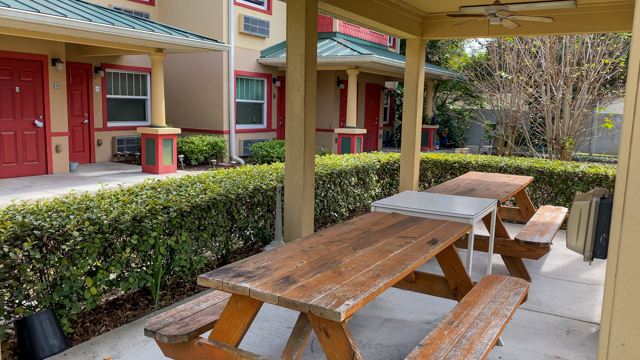
Safe, decent, affordable, permanent housing in 37 locations throughout Pinellas County
low-income housing
City of St. Petersburg HOME Vouchers provide homeless individuals and households with rental assistance which allows them to find housing and pay no more than 1/3 of their income for rent.
homeless housing
Family Permanent Supportive Housing Program helps families who are experiencing homelessness or are at risk of losing their housing achieve long-term stability. Families receive affordable housing along with individualized supportive services designed to address the challenges that may place their housing at risk. A key component of the program is psychosocial rehabilitation (PSR), which helps individuals and families develop the skills and supports needed to live as independently as possible. PSR services focus on building everyday life skills, strengthening coping strategies, connecting families with healthcare and community resources, improving parenting and household management skills, increasing financial stability, and helping families achieve their personal goals. The goal is to help families build stability, increase independence, and create a safe, secure future.
Individual Permanent Supported Housing Program serves adults experiencing homelessness who are living with serious mental illness, substance use disorders, or other disabling conditions. In addition to stable housing, participants receive ongoing, individualized support based on their unique goals and needs. Through psychosocial rehabilitation (PSR), participants work with staff to develop the skills needed to maintain housing and improve their overall quality of life. Services include developing daily living skills, strengthening coping and recovery strategies, connecting with physical and behavioral healthcare, accessing benefits and community resources, improving medication and appointment adherence, building healthy relationships, and increasing independence within the community. The program is designed to help individuals maintain permanent housing, support their recovery, and promote long-term stability and self-sufficiency.
Safe Haven Safe Haven provides a safe place for individuals experiencing chronic homelessness and have a severe and persistent mental illness. Many residents are also living with substance use disorders or other significant challenges that make it difficult to engage with services. Safe Haven welcomes individuals where they are, without expecting them to resolve every challenge before receiving help. Through psychosocial rehabilitation (PSR), staff help residents build trust, develop independent living skills, strengthen coping strategies, and connect with healthcare, behavioral health services, income and benefits, identification documents, and permanent housing opportunities. Rather than focusing only on immediate needs, the program helps individuals develop the skills and confidence necessary to successfully transition to and maintain permanent housing. Safe Haven provides the time, support, and stability individuals need to begin rebuilding their lives at their own pace.
Shelter Plus Care Vouchers provide rental assistance and support services for individuals who have been homeless and who have a mental illness.


veterans housing
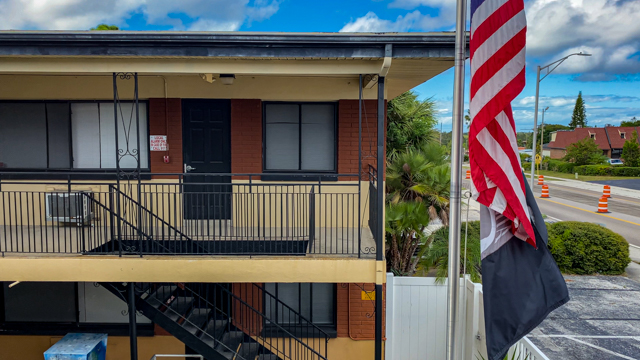
Transitional Housing for Homeless Veterans provides skills development and support to prepare Veterans to reintegrate into the community and maintain permanent housing of their choice. On-site staff ensure the Veterans access needed psychiatric and substance abuse treatment, Veterans benefits, medical and dental services along with employment and training opportunities.
Jerry Howe Transitional Housing Program provides Veterans who are homeless with housing, supports, services and supervision. The goal of the program is to assist each Veteran with obtaining the skills and supports needed to access and maintain permanent housing.
Morningside Safe Haven residents are all Veterans, all have a mental illness and most have substance abuse problems. The Safe Haven is a “damp program” where residents who drink alcohol are not turned away. Using the best practice model of integrated substance and mental health treatment, residents receive treatment according to their personal stage of recovery. All services and treatments are based on the individual’s current ability and desire to accept psychiatric care (including medication), group and individual therapy and case management intervention. Services and housing are not denied based on a resident’s refusal to accept treatment.